Showing posts with label Gary Oldman. Show all posts

Tuesday, December 8, 2020

Mank (2020) review


While it has admittedly been more than half a decade since his last film, Gone Girl, came out in 2014, the arrival of a new David Fincher feature is always guaranteed to be a big deal for the film fan community. After all, that’s simply what’s to be expected when you’re talking about a filmmaker who’s been responsible for some of the most critically acclaimed films of the past few decades such as Fight Club, Se7en, and The Social Network. But as for his newest feature, Mank, Fincher has a considerably personal connection to this screenplay since it was written by none other than his father, Jack Fincher. A biopic that explores screenwriter Herman J. Mankiewicz’s experiences while developing the screenplay for Orson Welles’ 1941 feature Citizen Kane (AKA the film that is widely regarded as the ‘greatest film ever made’), David Fincher had originally planned on making it after finishing his work on 1997’s The Game. Unfortunately, those initial plans (which would’ve starred Kevin Spacey (pre-scandal, of course…) as Mankiewicz and Jodie Foster as Hollywood starlet Marion Davies) weren’t able to come to fruition due to Polygram, the studio that Fincher worked with on The Game, being uneasy about his intent to shoot the film in black-and-white. And if that weren’t enough, Jack Fincher sadly wouldn’t live to see his script get made as he died on April 10th, 2003 after a yearlong bout with cancer. But now, fresh off his work on the second season of the crime thriller series Mindhunter, David Fincher has finally brought his father’s magnum opus to life as the latest Netflix original release. Simply put, it’s a film that will certainly attract some major attention during awards season; granted, I don’t think that it’s Fincher’s ‘best’ film, but at the same time, it gives you everything that you’ve come to expect from one of the industry’s most revered filmmakers.

The year is 1940 and prestigious screenwriter Herman J. Mankiewicz (Gary Oldman) has just begun working on his next project. Despite recently suffering a leg injury in a car crash that leaves him almost entirely bedridden, he is approached by Orson Welles (Tom Burke) to write the screenplay for his first feature film with RKO Pictures, who have given him full creative control over the project. Due to his injury, Mankiewicz is brought to a secluded ranch in Victorville, California where he can both rest up and write the screenplay at a location that thoroughly bans alcohol, which is an important thing for Mankiewicz since he regularly suffers from an addiction to it. Despite this, however, Mankiewicz soon finds himself slipping back into his old habits, which is a problem that both Welles’ producer John Houseman (Sam Troughton) and Mankiewicz’s secretary Rita Alexander (Lily Collins) must deal with. And to make matters worse, Mankiewicz then becomes embroiled in some major scandals over the content in the screenplay (namely, the potentially hostile reactions from those who the characters are ostensibly modeled after), which gets to the point where he and Welles get into some heated arguments over who should receive the screenwriting credit. While all this is going on, the film also delves into some key moments from Mankiewicz’s past such as the conflict of integrity that emerged between him and his superiors at MGM, founder Louis B. Mayer (Arliss Howard) and executive Irving Thalberg (Ferdinand Kingsley) over their substantial involvement in the 1934 election for the Governor of California. And then, of course, there’s also the matter of his tense relationship with the country’s most prominent media tycoon, William Randolph Hearst (Charles Dance), for whom the main character of Citizen Kane, Charles Foster Kane, is clearly based on.

As I noted back in the intro, Fincher’s insistence on shooting this film in black-and-white to honor Citizen Kane’s cinematography was the main reason why he was never able to get it made when he originally wanted to. Now that the film has finally come out, it’s safe to say that this goal of his was completely worth it in the end because this film’s cinematography (done by Erik Messerschmidt, who worked with Fincher on Mindhunter) is fantastic. The film’s amazing technical merits don’t stop there, however, as Fincher and his team go above and beyond to make it look and feel like a classic 40’s picture. Whether it’s the frequent appearances of film projection cue marks (or, as another Fincher film called them, ‘cigarette burns’) or Fincher’s go-to composers, Trent Reznor and Atticus Ross, creating a more classical score rather than their usual electronic pieces, Mank is a figurative and literal ‘period piece’. And overall, a lot of this does make up for some of the film’s narrative shortcomings; namely, the fact that its proceedings can often feel a bit dry. It is worth noting that the film’s plot is largely inspired by one of the most controversial pieces in the history of film criticism, Raising Kane, a 1971 essay written by Pauline Kael that argued that Herman J. Mankiewicz was solely responsible for Citizen Kane’s script. However, Kael’s arguments have since been discredited by several sources, and to this film’s credit, Fincher and producer Eric Roth did make some changes to his dad’s script so that it doesn’t completely vilify Orson Welles. Still, because the film focuses so much on Mankiewicz’s efforts to write the script, it feels like we’re not getting the whole story behind everything that went into the film’s inception, like how the lives of folks like William Randolph Hearst and Marion Davies were impacted by them being the inspiration for the film’s characters.

Granted, it goes without saying that this is not a film about the making of Citizen Kane. Instead, it’s about the man who went through hell and high water to bring Orson Welles’ masterpiece to life, and with that in mind, the film does get its points across on everything that ultimately made Herman J. Mankiewicz a tragic figure. But because of the lack of some key bits of context regarding Citizen Kane’s impact, some of the film’s messages end up feeling rather muddled since they aren’t quite fully articulated. That said, though, I will give the film credit in that one of its key subplots in which Mankiewicz uncovers a conspiracy where his superiors are filming bits of propaganda to hinder their political opponent… is scarily relevant. And, of course, Mank’s biggest selling point is that it’s very much an ‘actor’s showcase’ feature headlined by Gary Oldman who, as to be expected, is outstanding in the title role as he brilliantly encapsulates Mankiewicz’s persona as someone who can be both the smartest person in the room and one whose life and reputation ends up being tragically undone by his raging alcoholism. He’s then backed by a pair of excellent performances from Amanda Seyfried and Lily Collins as the film’s female leads, Marion Davies and Rita Alexander. While the film largely focuses on Mankiewicz, both Seyfried and Collins manage to hold their own against Oldman, namely by being some of the only people who can reasonably put up with Mankiewicz’s drunken antics. After that, there are plenty of strong performances from the rest of the film’s supporting cast, including Arliss Howard as the conniving Louis B. Mayer and Tom Pelphrey as Mankiewicz’s more level-headed brother Joseph. Finally, while he’s not in the film that much (which ties into the issue of the film not properly elaborating on Hearst’s influence on Citizen Kane), Charles Dance makes the most of his limited screen-time as the emotionally composed but utterly imposing media tycoon.

Now despite some of the things that I’ve said in this review, I want to make it clear that I don’t ‘dislike’ this film. David Fincher’s Mank is a well-directed and terrifically acted biopic that thoroughly succeeds in being an earnest but not overly sentimental tribute to classic Hollywood. On the surface, it’s easy to see what this film is primarily trying to do; namely, honoring the legacy of Herman J. Mankiewicz, a man who, despite his many flaws, was clearly ahead of his time as a writer. However, as noble as its intentions are, the film doesn’t exactly do the story behind the conception of the ‘greatest film of all-time’ justice. Overall, it feels like an incomplete retelling of this important moment in cinematic history since it’s almost entirely focused on Mankiewicz’s side of the story. And while it does boast some good messages such as the importance of integrity and giving credit where credit’s due, the lack of proper subtext results in the impact of these themes not being as effective as the film wants them to be to the point where the whole film ends up being emotionally empty. It’s not a dull watch, by any means, but despite how fully admirable it is that David Fincher wanted to stay as true to his dad’s original script as he possibly could, it really could’ve benefitted from some additional rewrites (and not just the edits made by Fincher and Eric Roth that I mentioned earlier). Still, while its dry proceedings may prove to be a bit much for casual viewers, Mank is a wholly impressive technical achievement that feels like it was lifted directly from the cinematic era in which it takes place. For fans of David Fincher, this is obviously an absolute must-watch as it dutifully upholds his distinguished track record as a director despite its flaws. At the same time, though, those flaws are the main reason why I wouldn’t necessarily call this one of the best films of the year.

Rating: 4/5

Tuesday, March 6, 2018

90th Academy Awards Results + Recap Post

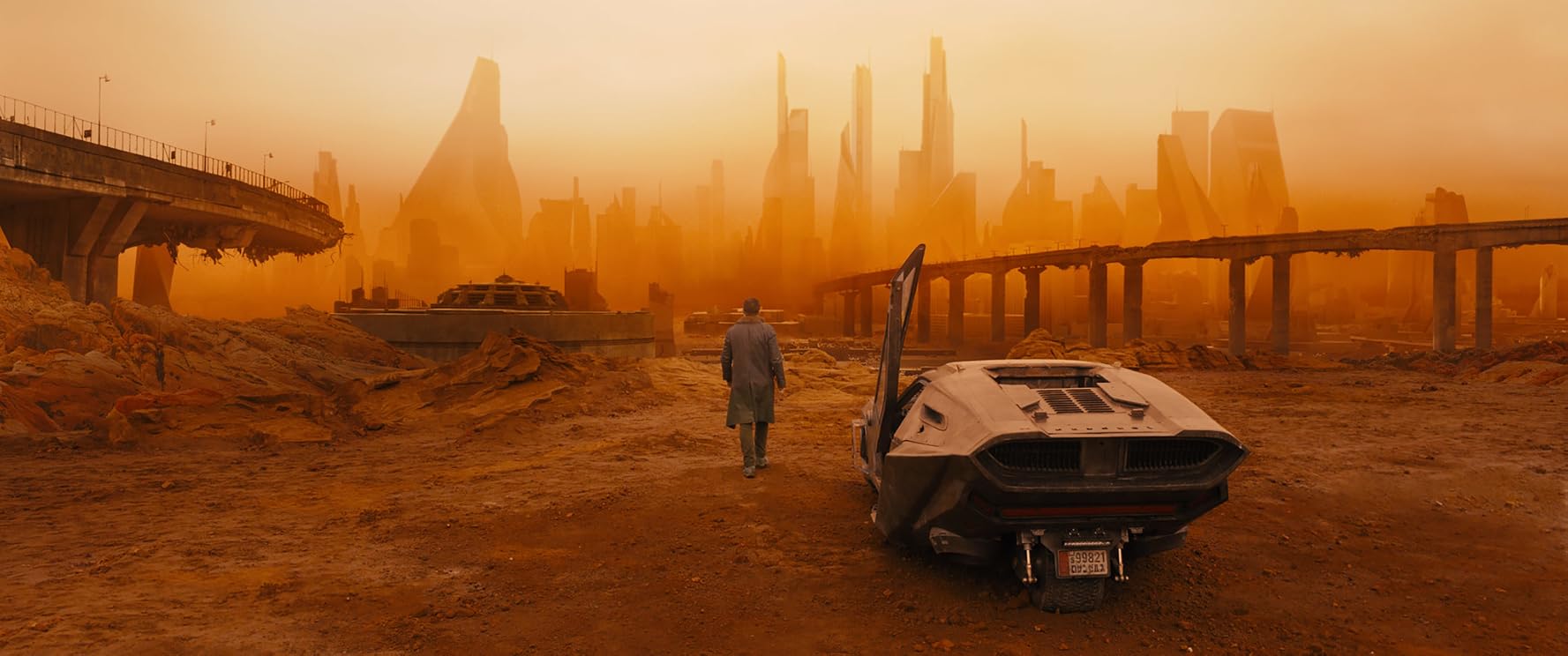
BEST VISUAL EFFECTS: BLADE RUNNER 2049

Harrison Ford, Jared Leto, Ryan Gosling, and Ana de Armas in Blade Runner 2049 (2017)

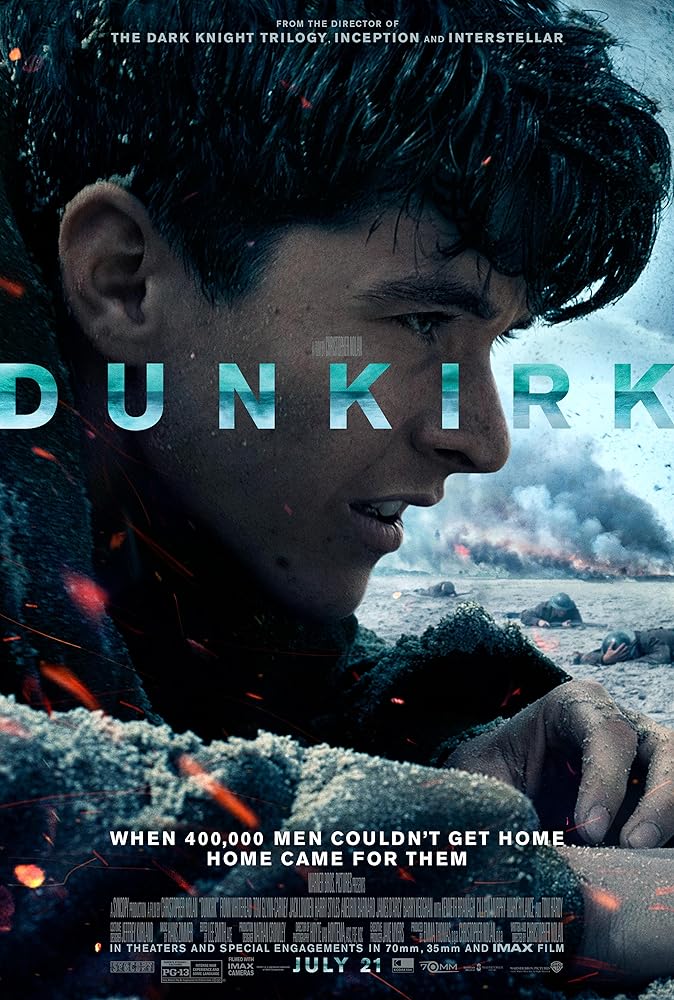
BEST EDITING: DUNKIRK

Fionn Whitehead in Dunkirk (2017)

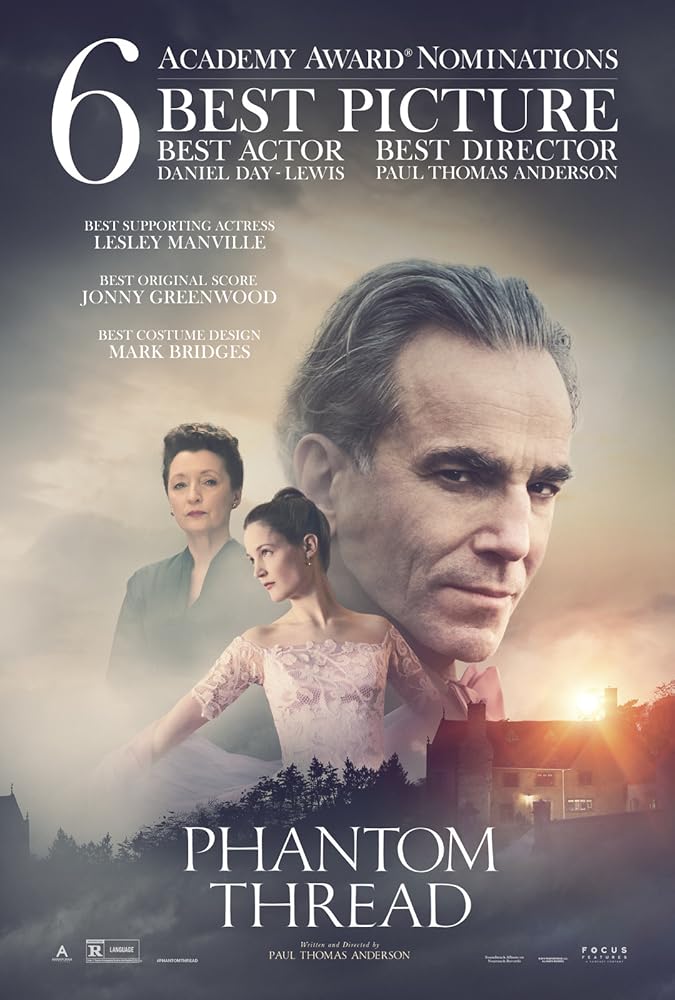
BEST COSTUME DESIGN: PHANTOM THREAD

Phantom Thread (2017)

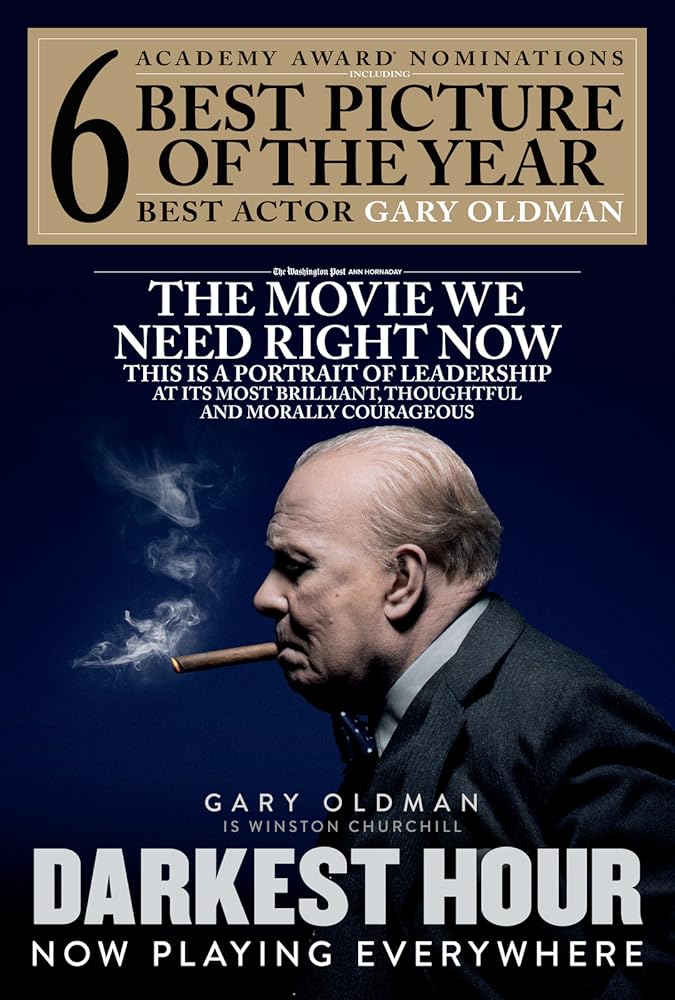
BEST MAKEUP AND HAIRSTYLING: DARKEST HOUR

Gary Oldman in Darkest Hour (2017)

BEST CINEMATOGRAPHY: BLADE RUNNER 2049

Ryan Gosling in Blade Runner 2049 (2017)

BEST PRODUCTION DESIGN: THE SHAPE OF WATER

Richard Jenkins and Sally Hawkins in The Shape of Water (2017)

BEST SOUND MIXING AND BEST SOUND EDITING: DUNKIRK

BEST ORIGINAL SONG: REMEMBER ME (COCO)


BEST ORIGINAL SCORE: THE SHAPE OF WATER

BEST ANIMATED SHORT: DEAR BASKETBALL

Dear Basketball (2017)

BEST LIVE-ACTION SHORT: THE SILENT CHILD

The Silent Child (2017)

BEST DOCUMENTARY SHORT: HEAVEN IS A TRAFFIC JAM ON THE 405

Heaven is a Traffic Jam on the 405 (2016)

BEST DOCUMENTARY: ICARUS

Icarus (2017)

BEST FOREIGN LANGUAGE FILM: A FANTASTIC WOMAN (from Chile)

Daniela Vega in Una Mujer Fantástica (2017)

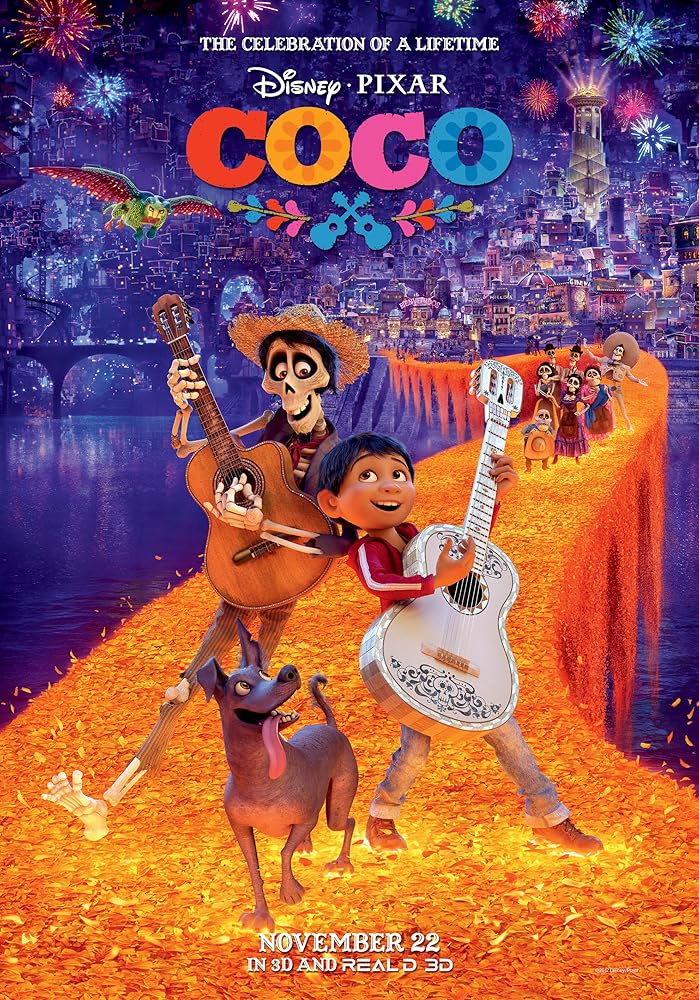
BEST ANIMATED FILM: COCO

Coco (2017)

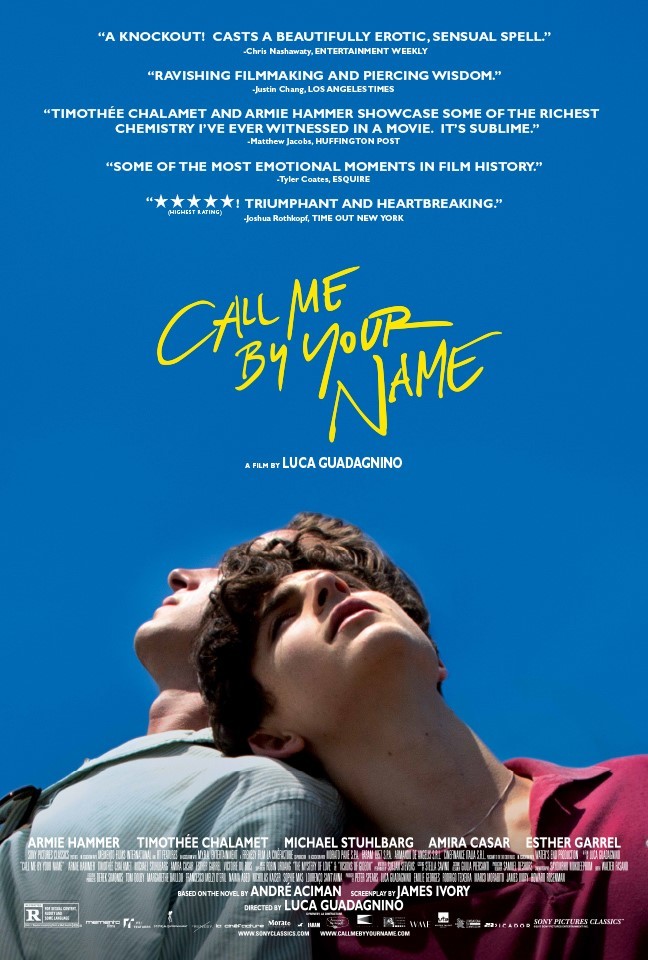
BEST ADAPTED SCREENPLAY: CALL ME BY YOUR NAME

Armie Hammer and Timothée Chalamet in Call Me by Your Name (2017)

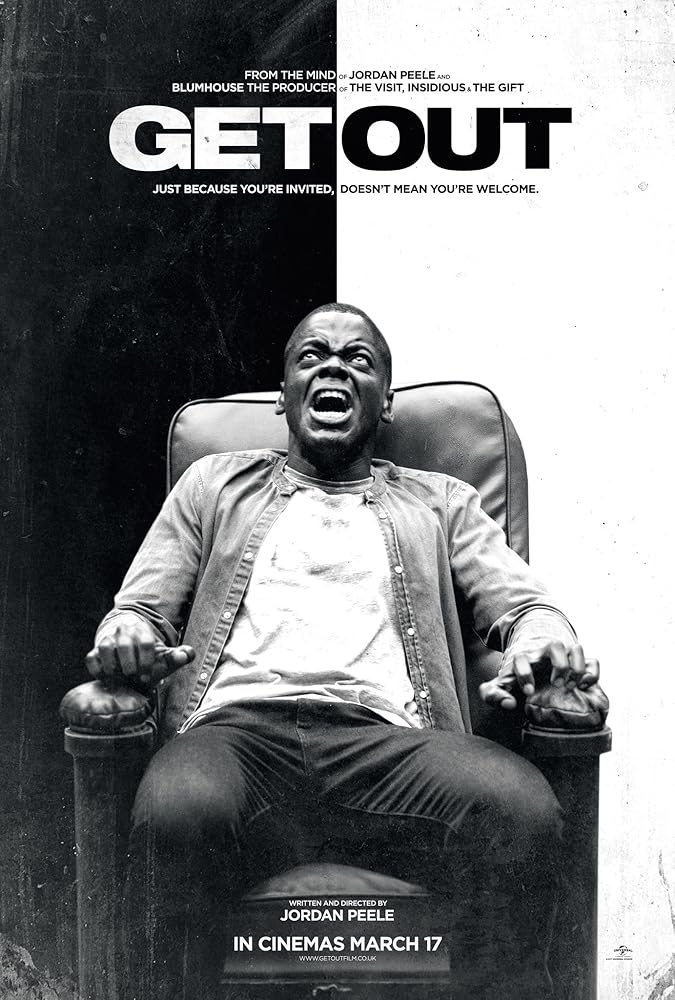
BEST ORIGINAL SCREENPLAY: GET OUT

Daniel Kaluuya in Get Out (2017)

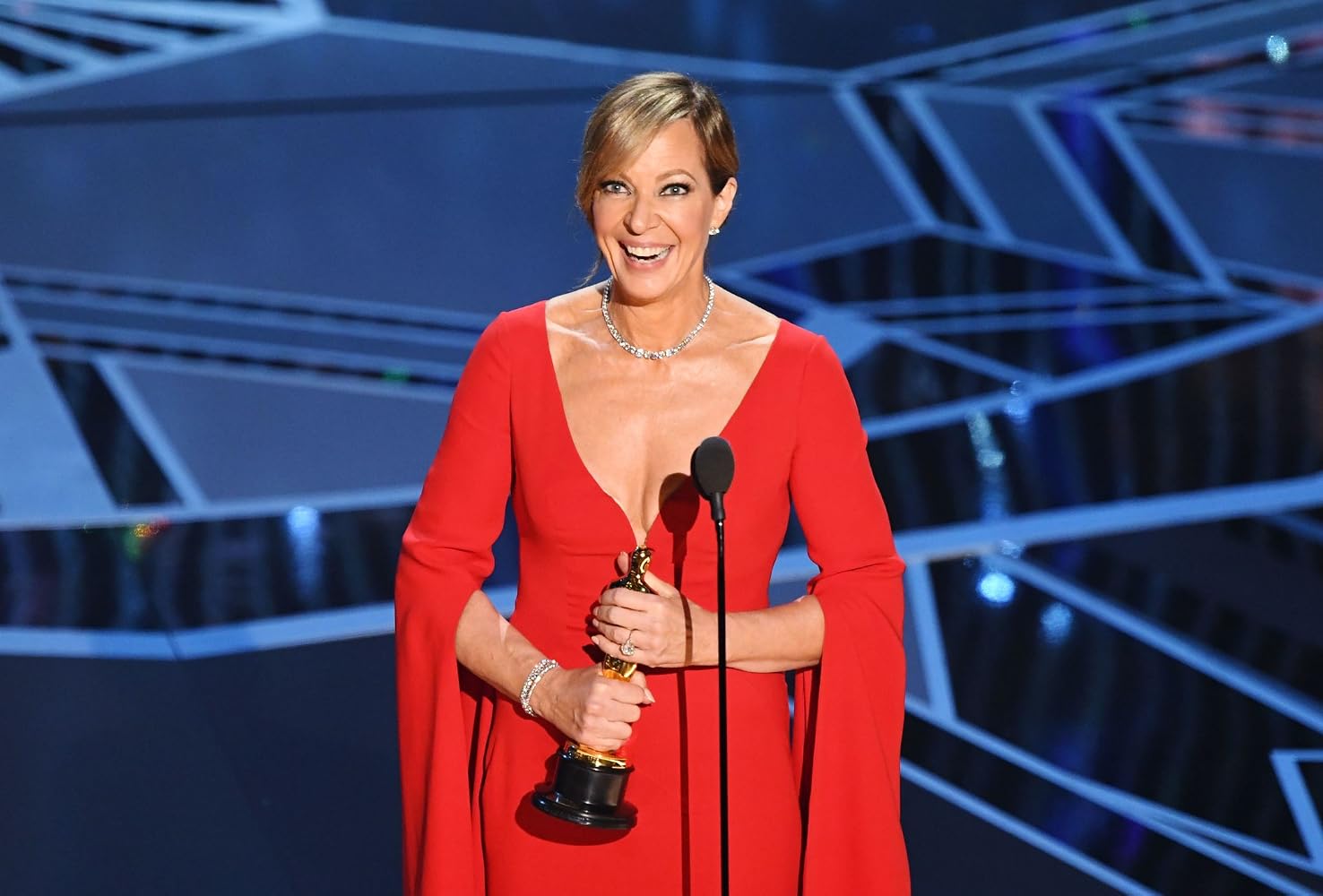
BEST SUPPORTING ACTRESS: ALLISON JANNEY

Allison Janney at an event for The Oscars (2018)

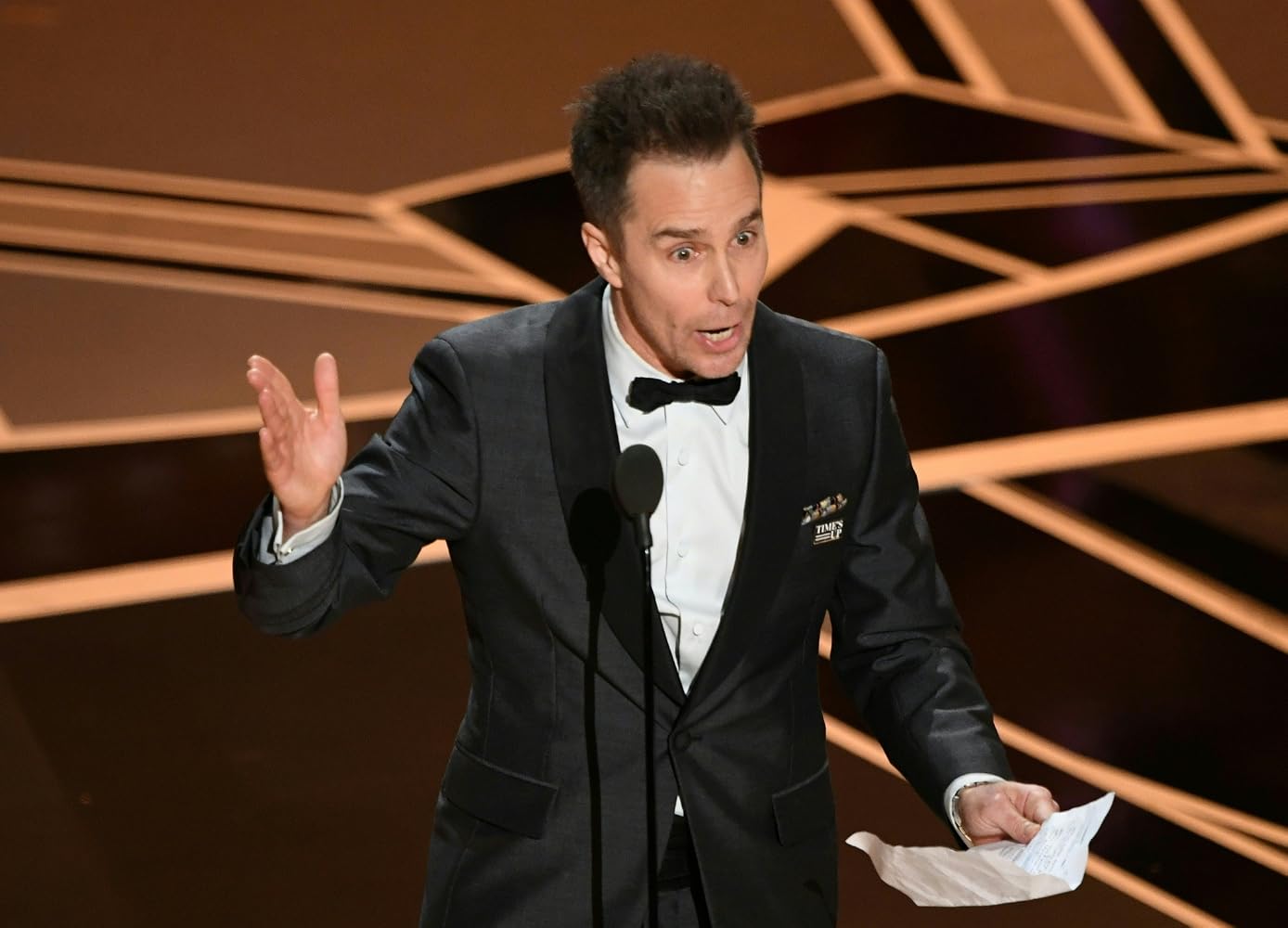
BEST SUPPORTING ACTOR: SAM ROCKWELL

Sam Rockwell at an event for The Oscars (2018)

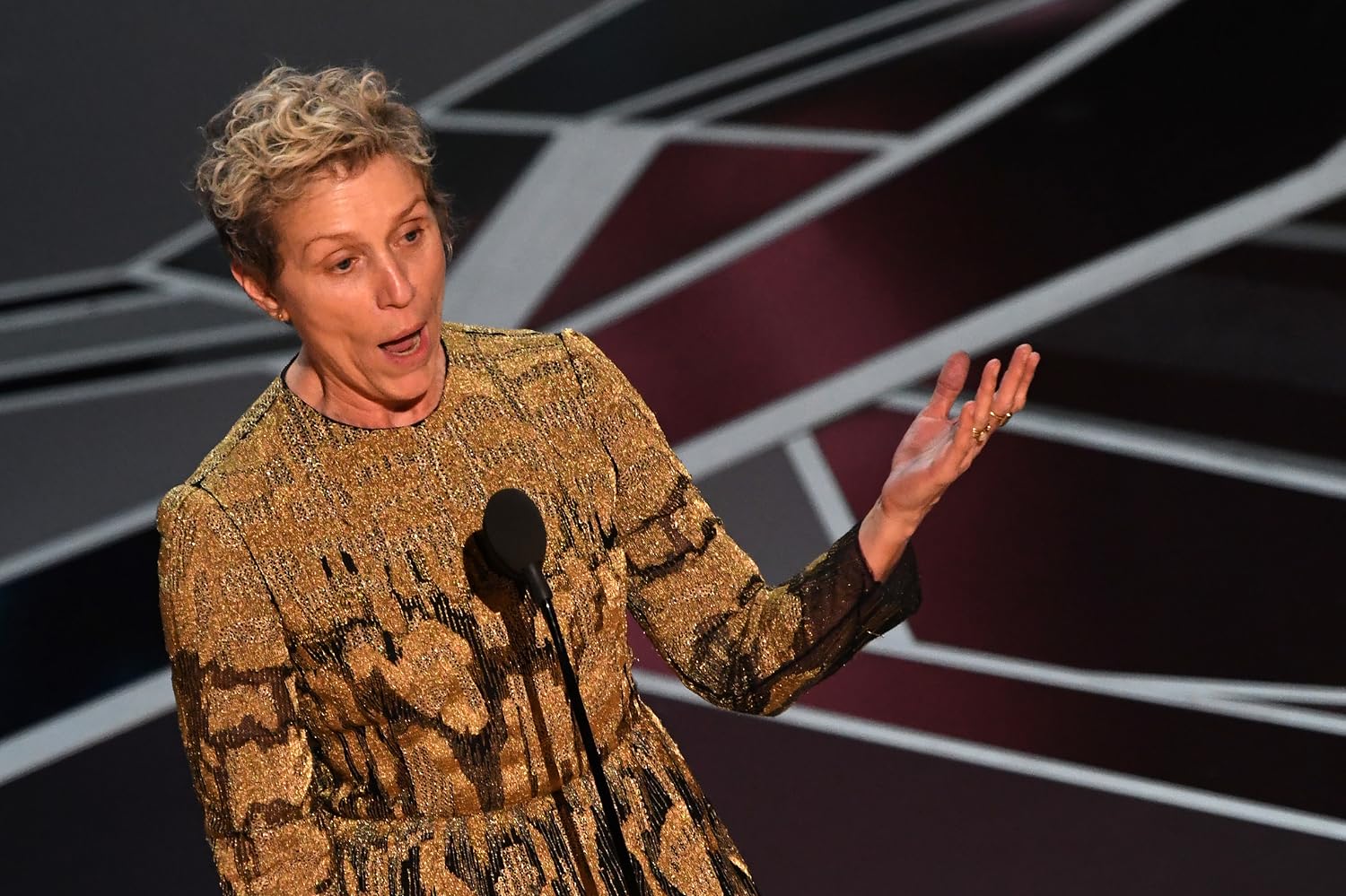
BEST ACTRESS: FRANCES MCDORMAND


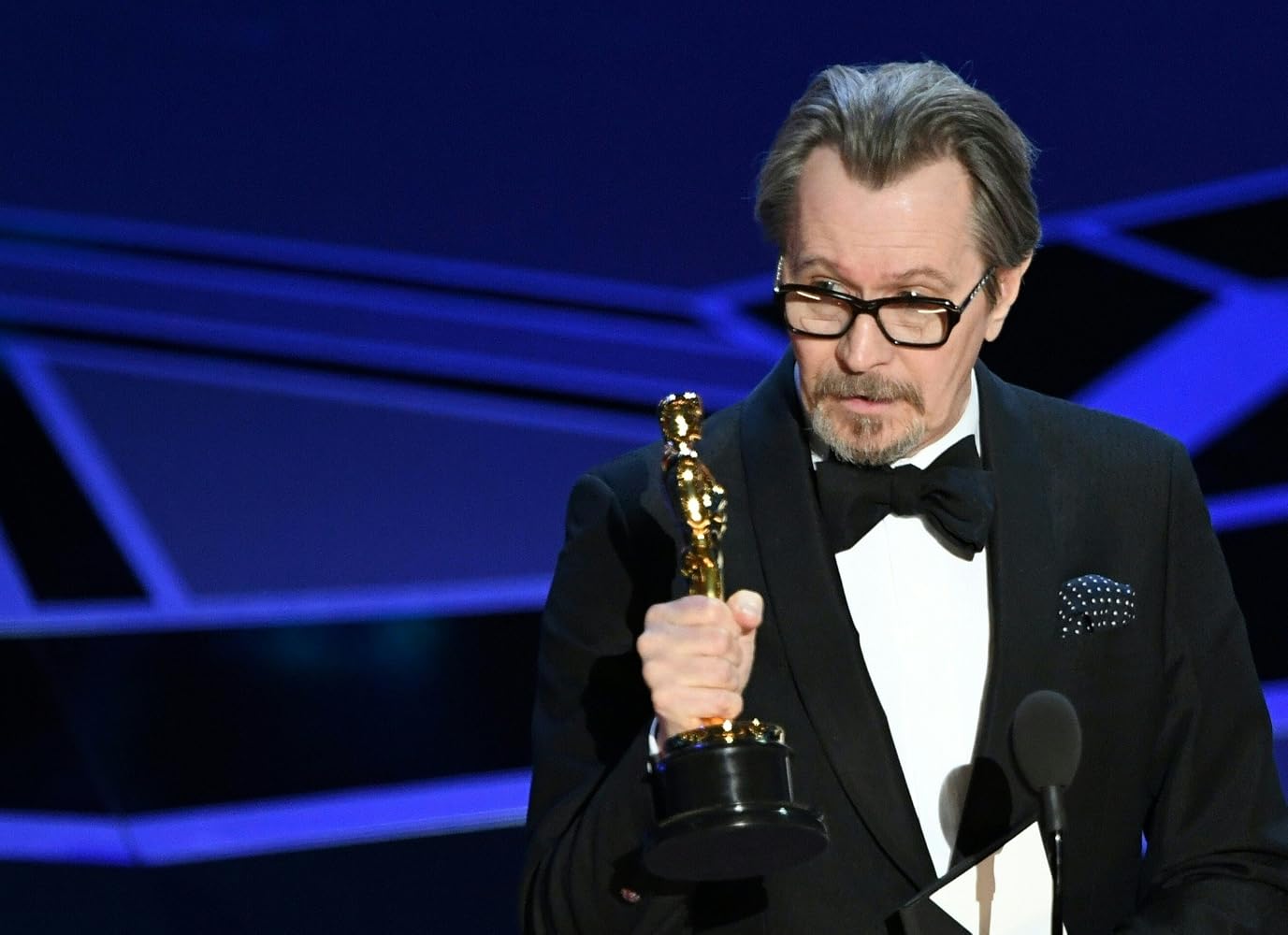
BEST ACTOR: GARY OLDMAN

Gary Oldman at an event for The Oscars (2018)

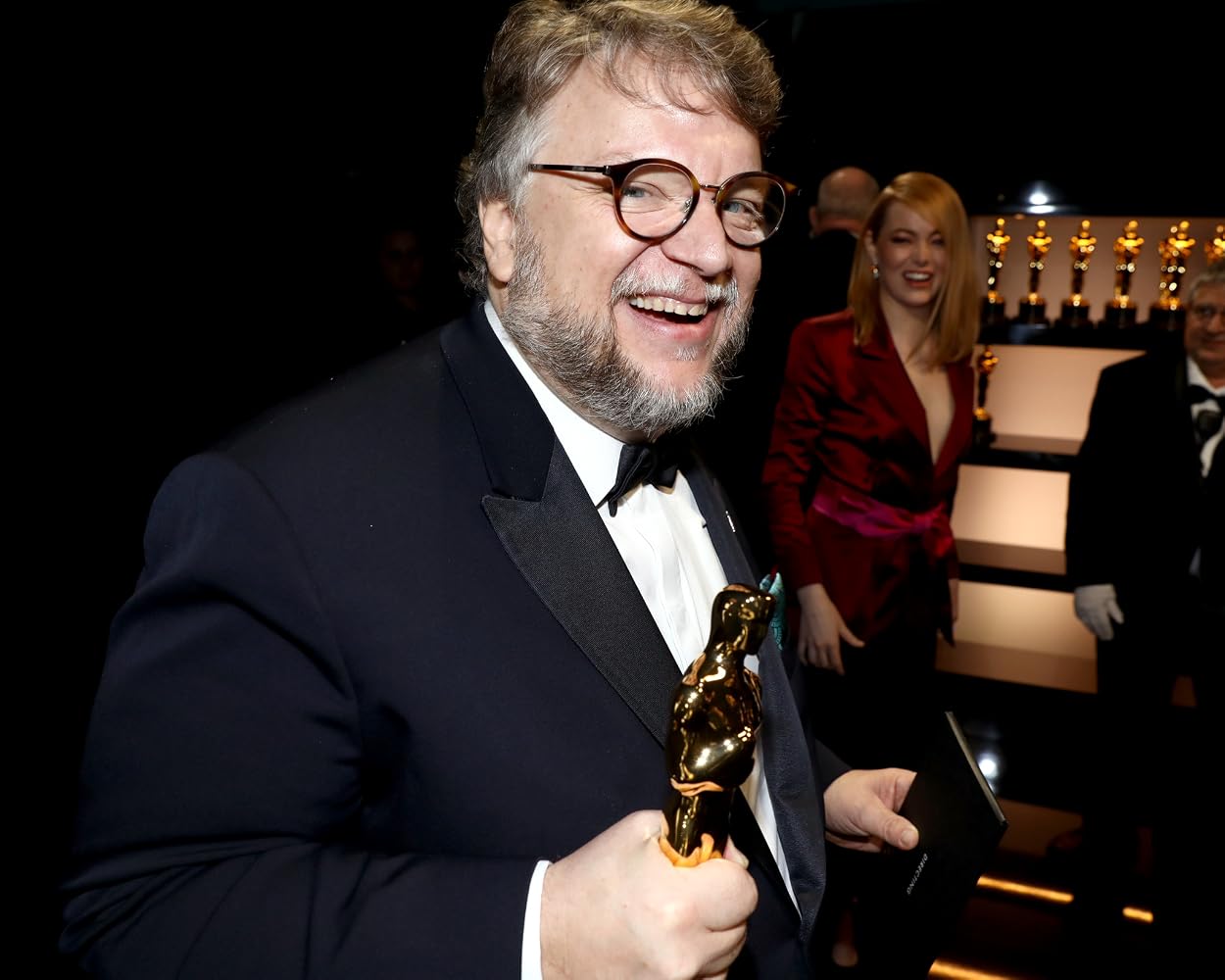
BEST DIRECTOR: GUILLERMO DEL TORO (THE SHAPE OF WATER)

Guillermo del Toro at an event for The Oscars (2018)

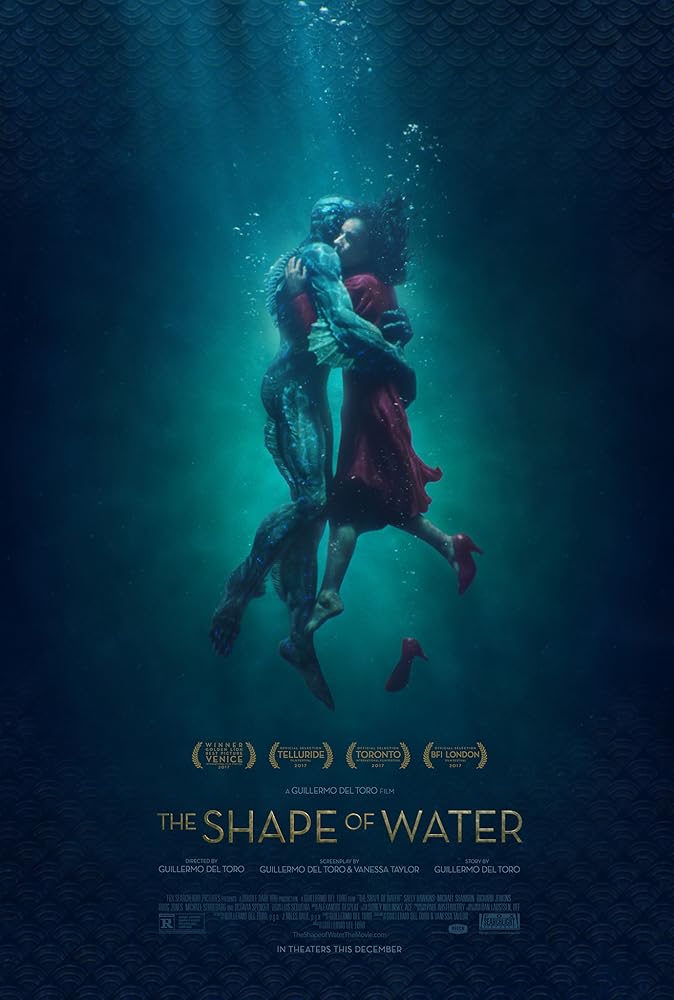
BEST PICTURE: THE SHAPE OF WATER

Doug Jones, Vanessa Taylor, and Sally Hawkins in The Shape of Water (2017)

THOUGHTS ON THE SHOW

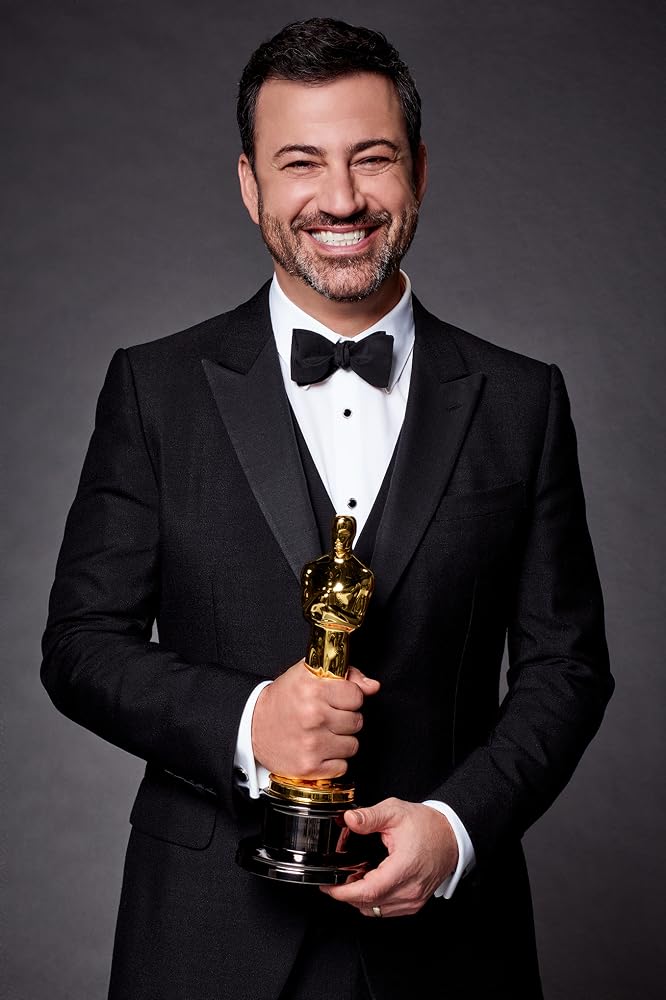
Jimmy Kimmel at an event for The Oscars (2018)

For the first time since Billy Crystal did it in 1997 and 1998, Jimmy Kimmel hosted the Oscars for the second year in a row. As I noted last year, Kimmel is my personal favorite of the current crop of late night talk show hosts; heck, I even went to one of the tapings for his show this past summer when I was on vacation in Los Angeles. Like last year, Kimmel did an excellent job as host, addressing some of the year’s biggest controversies (specifically the Weinstein epidemic, as many expected he would) while also delivering some enjoyably humorous sketches. I’m aware that some people weren’t too big on his opening monologue addressing all the recent movements in Hollywood (e.g. #TimesUp) as they felt that it would’ve been better for a female host to address these subjects. Ultimately, though, I do think that Kimmel handled them well as he’s done the same thing with several other key issues over the past few months (e.g. when he talked about the necessity for his son to have multiple heart surgeries at a time when the benefit of health care for children was in peril). And before any of you say anything; yes, I’m well-aware that one of his first major roles in the industry was being the co-creator of the male-centric series The Man Show. All I will say to that is that a lot has changed since then, folks, and I’m not just talking about him. This year’s show was more than reflective of the current Hollywood climate where women and minority filmmakers and stars are making monumental efforts to make sure that their voices are being heard in an industry long dominated by Caucasian males.

Anyway, the show itself lived up to its mantle of being the 90th edition of the Academy Awards. The entire night was dedicated to iconic films of yesteryear, which were represented via several great montages. Legendary Hollywood stars’ most famous roles were highlighted before they came out to present an award, including Eva Marie Saint in On the Waterfront and Rita Moreno in West Side Story. Heck, Moreno even wore the same dress that she wore to the 34th Academy Awards, where she won the Oscar for Best Supporting Actress for West Side Story. When each of the acting categories was introduced, a montage of all the awards’ previous winners was played, effectively showcasing the full range of acting talent that has been honored at these ceremonies. All in all, it was a perfect follow-up to all those montages from last year’s show where actors reflected on classic films and the legendary performances that came out of them. As for the awards themselves, I know that many felt that this year was far more predictable compared to last year. All the major front-runners in the acting categories won while this year’s Best Picture winner, The Shape of Water, was an undisputed front-runner. Here’s the thing, though… we cannot forget that while last year’s envelope gaffe was easily one of the most famous Oscars moments of all-time, it was also a TERRIBLE moment that negatively affected all who were involved in it. Warren Beatty and Faye Dunaway were wrongfully scapegoated for a slip-up that wasn’t primarily their fault, the cast and crew of La La Land were forced to endure the embarrassment of being ‘the mistaken winner’ (though, to their credit, they took it like champs), and as much I hate to say it, Moonlight’s win was forever tainted by this infamous slip-up. In other words, I don’t watch the Oscars for shocking upsets; I watch them to see how they honor the best of the best that cinema has to offer us, which is something that they succeed at every year. Because of this, I quite enjoyed this year’s Oscars ceremony. And while I know that many will disagree with me on this, I dare you to find an Oscars ceremony that didn’t attract a polarizing reception after it was over.

And now, as always, I present to you my personal picks for the Best and Worst moments from this year’s ceremony… well, to be more specific, the ‘Best’ moments. Yes, folks, I don’t have any ‘Worst’ moments to speak of this time around…

BEST: WAL-MART’S THREE ‘BOX’ ADS


Now I’ll admit that this is somewhat of a weird topic to address, namely because I didn’t address it last year, but I wanted to highlight a trio of ads that were made for this year’s event. Last year, Wal-Mart teamed up with filmmakers Marc Forster, Antoine Fuqua, and the duo of Seth Rogen and Evan Goldberg to direct three 60-minute ads based around the concept of your average Wal-Mart receipt. This year, the focus was on their blue shipping boxes, with Mudbound director Dee Rees, long-time director Nancy Meyers, and comedian Melissa McCarthy being brought in to direct the ads. And overall, all three of these ads were excellent in their own unique way. Rees’ ad was sci-fi oriented, showcasing an epic battle that’s revealed to be the fantasy of two young girls using the box as a fort; it featured eye-catching visuals and an enjoyable turn from Rees’ Mudbound star Mary J. Blige as the ‘evil commander’. Next up, Meyers’ ad saw her reteam with frequent collaborator Hans Zimmer, who starred in the ad in which he dealt with a case of severe writer’s block until one of his collaborators uses the box as a drum. And that’s all that I need to say about this one, really; it’s a fun little ad involving Hans Zimmer, one of the industry’s most legendary composers. Finally, there was Melissa McCarthy’s ad, which was a surprisingly welcome ‘against type’ turn for her. Instead of being a comedic ad, it was an emotionally poignant spot in which Greatest Showman breakout star Keala Settle uses the box like a time machine to go back in time and encourage her younger self when she gets teased at a talent show. While I’ll openly admit that I found last year’s slate of Wal-Mart ads to be rather hit-and-miss, this year’s ads were all incredibly well-made, getting so much out of a simple concept.

BEST: JIMMY KIMMEL’S OLD-SCHOOL INTRO


For this year’s ceremony, Kimmel started it off with a parody of retro newsreels complete with old-timey narration. I’m aware that some people weren’t too big on this intro, but I personally liked it. Highlights include Armie Hammer being born ‘when a witch placed a curse on a Ken doll’ and Salma Hayek bringing the Asset from The Shape of Water as her date. However, I will admit that one specific montage that occurred later in the show (which, of course, will be addressed in just a bit) probably would’ve served as a better intro given that this was the 90th rendition of the Academy Awards. Still, this bit was a fun way of kicking off this year’s show.

BEST: SHORTEST SPEECH WINS A FREE JET SKI


During Jimmy Kimmel’s opening monologue, he openly acknowledged the most common criticism of the Oscars, its length. Thus, he offered a challenge to the winners; while encouraging them to say whatever they wanted during their speech, he also offered an incentive for those who manage to keep their speeches short. Said incentive was a free jet-ski introduced a la The Price is Right complete with Helen Mirren as the floor model. And before any of you ask… ‘Helen Mirren not included’. Kimmel sweetened the deal by offering a second prize of a trip to Lake Havasu, Arizona. So, who won it? That honor went to costume designer Mark Bridges, who won Best Costume Design for his work on Phantom Thread and gave a quick 36-second speech. Thus, one of the final images of the night was Bridges and Mirren riding the jet-ski onstage.

BEST: THE OSCARS’ NEW METHOD OF PLAYING WINNERS OFF


After Sam Rockwell’s win for Best Supporting Actor, Jimmy Kimmel came out to note that this year, the infamous music that the orchestra plays to tell winners to wrap their speeches up wasn’t going to be used this year (though it kind of did at one point, which I’ll get into later…). Their alternative? Having Get Out star Lakeith Stanfield reenact his iconic scene from the film in which he snaps at main protagonist Chris, telling him to, of course, ‘Get Out’. Simply put, this was an enjoyably humorous moment that served as an excellent satire of the film complete with Stanfield doing a phenomenal job of staying in character the whole time.  

BEST: THE BIG FILM MONTAGE/TRIBUTE


While there were many great montages utilized in this year’s ceremony, the best came via the montage that honored the vast history of film. An endless array of cinematic classics was featured in this montage along with an awesome use of a speech made by the one and only Roger Ebert explaining the beauty of film. As you might have guessed, that was my favorite part of the montage; but, of course, the whole montage was amazing. If you’re a film fanatic like me, I’m 100% confident that this montage probably gave you goosebumps at one point. With that said, though, as I alluded to earlier, I think that this would’ve been a better way to start off the show this year instead of what they went with. Again, nothing against Kimmel’s old-timey ad, but it’s safe to say that this was a more suitable method of honoring cinema during the Oscars’ ‘anniversary year’. Ah well, maybe we’ll get something like this for the 100th ceremony in 2028.

BEST: THE #TIMESUP/INCLUSION MONTAGE


Obviously, the #TimesUp movement and the call for a greater sense of diversity in the film industry was a key factor in this year’s proceedings. Thus, leave it to Ashley Judd, Salma Hayek, and Annabella Sciorra, three of the most prominent activists in the Weinstein epidemic, to introduce a montage honoring the slow but steady growth of a diverse collection of faces and voices in the film industry. For the record, it didn’t directly address any of the numerous sexual harassment/assault incidents of the past few months, but it didn’t really need to. Also, a bonus shout-out to Lupita Nyong’o and Kumail Nanjiani for honoring all the ‘Dreamers’ in this country when they presented the award for Best Production Design. Plus, we even got to learn Nanjiani’s real name… Chris Pine! (Tee-Hee!)

BEST: THE WAR FILM MONTAGE


The last big film montage of the night (apart from the Best Actor and Actress montages) was a tribute to all the classic war films. This tribute to the U.S. military was presented by the legendary Wes Studi. During this speech, Studi reflected on his own military experience as a member of Alpha Company of the 39th Infantry during the Vietnam War. As for the montage itself, it was just as well-handled as the previous ones, featuring classics like Full Metal Jacket and Platoon along with recent hits like Saving Private Ryan and American Sniper.  

BEST: THE GREAT PERFORMANCES OF THE BEST ORIGINAL SONG NOMINEES


As always, this year’s ceremony gave us some great performances from this year’s nominees for ‘Best Original Song’. First up, Mary J. Blige performed the song ‘Mighty River’ from Mudbound, for which she herself was also nominated for Best Supporting Actress. Simply put, it was a soulful performance of an emotional number. Next up, we had Gael Garcia Bernal perform ‘Remember Me’ from Coco followed by the pop version used in the film’s credits performed by Miguel (not to be confused with the film’s main protagonist) and Natalia Lafourcade. Like the song’s use in the film, this performance served as a nice representation of its various renditions. After that, we had Sufjan Stevens’ ‘Mystery of Love’ from Call Me by Your Name. Like ‘Mighty River’ and the next song that I’ll be talking about, I’ll openly admit that this year’s show was the first instance where I heard this song. Despite that, though, I must say that I quite liked the mellow nature of it. Next, we had Common and Andra Day perform the song ‘Stand Up for Something’ from Marshall. Just like Common and John Legend’s powerful performance of ‘Glory’ at the 87th Academy Awards, the performance was quite the emotional powerhouse. Common called out the divisive rhetoric of Donald Trump while he and Day featured cameos from several key activists, including #MeToo founder Tarana Burke and Nicole Hockley, who lost her son Dylan in the 2012 Sandy Hook Elementary School shooting. Finally, this sense of empowerment was further continued with Keala Settle once again bringing the house down with her performance of The Greatest Showman’s trademark anthem, ‘This is Me’. It may not have won Best Original Song, ultimately, but it was yet another showcase of Settle’s amazing talent.

BEST: IN MEMORIAM


Another classic emotional moment of the show is, of course, the ‘In Memoriam’ segment. After an intro from Jennifer Garner, Pearl Jam singer-songwriter Eddie Vedder performed ‘Room at the Top’ by the late Tom Petty during this year’s tribute. Now on that note, I’m well-aware that, as is the case every year, some notable stars were left out of this year’s segment, including Adam West, Tobe Hooper, and David Ogden Stiers, the latter of whom died just a few days prior to the ceremony. However, I never view this as the Oscars being ‘ignorant’; sometimes, it’s just hard to keep track of all the stars who passed away the previous year.

BEST: REGULAR MOVIEGOERS MEET CELEBS 2.0


Now, believe it or not, this one is going to be a controversial opinion. Following last year’s sketch in which Jimmy Kimmel had a bunch of tourists enter the Dolby Theater during the ceremony, this year’s ceremony saw him enlist the aid of several actors and actresses to sneak into a special screening of this weekend’s new release, A Wrinkle in Time. The cavalcade of stars included the likes of Mark Hamill, Gal Gadot, Ansel Elgort, Armie Hammer, Lin-Manuel Miranda, and both Guillermo Del Toro and Kimmel’s trusted sidekick Guillermo; and bear in mind… the descriptive phrase of ‘that’s just to name a few…’ STILL applies to this scenario. Anyway, I noticed that this sketch got quite a lot of flak for being a rehash of the similar moment from last year’s show. But if you ask me… what’s so wrong about that? Yes, I will fully admit that this was a blatant rehash of the ‘tour bus’ sketch from last year complete with a similar set-up of Kimmel and company dropping in on unexpected guests. But how can you not crack a smile at a sketch that saw Gal Gadot and Mark Hamill meeting each other for the first time prior to them going into the theater, Ansel Elgort and Armie Hammer firing hot dogs from a hot dog launcher (“Do not aim the hot dogs at the vegetarians!”), and Lin-Manuel Miranda and Guillermo Del Toro carrying a big sub sandwich around? It’s just another perfect way of honoring those who go out to see films day in and day out which, to reiterate, is sort of what this whole ceremony is about. Heck, I’d even argue that this year’s sketch had one major advantage over last year’s sketch, and that is that it didn’t feel dragged out at the end this time. And for the record, yes, I’m saying this about an Oscars sketch unironically.

Don't mess with Armie Hammer and his hot dog launcher!

BEST: THE ‘PLAY WINNERS OFF’ MUSIC SHUTS UP FOR ROBERT LOPEZ


Here’s a subtle little moment that I bet quite a few people missed the other night. When Robert and Kristen-Anderson Lopez won for Best Original Song for ‘Remember Me’ from Coco, the former concluded their speech by paying tribute to his late mother. And while the traditional playoff music did begin to play at this point, it wisely stopped almost immediately after he began to talk about his mom. In other words, you could say that this was an instance where the most infamous aspect of the ceremony was arguably self-aware of all the negative publicity that surrounds it on an annual basis.

BEST: JODIE FOSTER GOT ‘I, TONYA’D’ BY MERYL STREEP


In lieu of last year’s Best Actor and Best Actress winners coming out to announce their successors, as is tradition, Jane Fonda and Helen Mirren presented the award for Best Actor while Jodie Foster and Jennifer Lawrence presented the award for Best Actress. Emma Stone, last year’s winner for Best Actress, instead presented Best Director while last year’s Best Actor winner Casey Affleck decided not to attend this year’s ceremony due to the sexual harassment allegations directed towards him. As Foster and Lawrence came out to present the award, we noticed that Foster was on crutches. Immediately, the two of them addressed it with Foster claiming that Meryl Streep was responsible for the injury a la I, Tonya. For the record, it was due to a skiing accident but regardless, it was easily one of the funniest moments from this year’s event. Streep, of course, took it like a champ like the legend that she is.

BEST: FRANCES MCDORMAND’S SPEECH


If you needed any more proof that Frances McDormand is a total boss, just look at her speech when she won her second Academy Award for Best Actress for her role in Three Billboards Outside Ebbing, Missouri. First up, she paid tribute to all the women nominated for Oscars this year across all categories by encouraging them to stand up in unison. And if that wasn’t awesome enough, there’s also the big phrase that she brought up at the end of it, ‘inclusion rider’. For those who don’t know what that is, ‘inclusion rider’ is a stipulation that actors and actresses can request in their contracts for a film to maintain a culturally diverse cast. In other words, thanks to Ms. McDormand, I’m sure that I’m not the only one out there who’d love to learn about the instances where this request has been made. And yes, given Hollywood’s track record with diversity, I know that there probably isn’t a lot of instances of this. Still, I think it’s safe to say that we’ll be seeing this phrase pop up a lot more in the years to come.  

BEST: GUILLERMO DEL TORO ASSURES US THAT WE AREN’T GOING TO HAVE ANOTHER ENVELOPE MIX-UP


Finally, we end on the big one, Best Picture. After all the crap that went down last year, all eyes were on this year’s reveal in the hopes that it’d go a lot smoother. Warren Beatty and Faye Dunaway returned to the stage to get it right this time, and they did. But for us, the audience, it was ultimately Guillermo Del Toro who assured us that his marvelous film was this year’s winner. As soon as he got up on stage, he grabbed the envelope, read it, and delightfully turned to the crowd to confirm the results. If you needed further proof as to why GDT is one of the most entertaining filmmakers in the industry, that little moment is a prime piece of evidence.


And that concludes my recap of the 90th annual Academy Awards. Thanks for following along as always and be sure to sound off in the comments below with your own favorite moments from this year’s event. And yes, I specifically mean ‘favorite moments’; we’re here to have fun, after all…

Monday, August 28, 2017

The Hitman's Bodyguard (2017) review

Image result for the hitman's bodyguard poster

Well, we’re nearing the end of the summer film season, meaning that the slate of new releases that we’ve had for the past few weeks admittedly hasn’t been as strong as it was a few months back. At this point, we’ve already gotten all the summer’s biggest outings from the likes of Marvel and DC, other big franchise hits like the newest Planet of the Apes film, and excellent new films from the likes of Christopher Nolan and Edgar Wright, just to name a few. Thus, it can sometimes be easy to look past the films that come out during the month of August, because aside from films like the first Guardians of the Galaxy, not a lot of big hits tend to come out during this part of the year. However, that doesn’t mean that we haven’t had any new worthwhile releases this month because there have been a few. One of these is The Hitman’s Bodyguard, an action film that is headlined by two of the biggest on-screen personalities in the film industry. First, there’s Ryan Reynolds who, of course, is fresh off his long-awaited success in the superhero film genre with Deadpool. The other main lead in this film is the one and only Samuel L. Jackson, a man whose legendary status in the film industry needs no introduction. As for the film itself, it’s directed by Patrick Hughes, who recently helmed his first big studio picture back in 2014 with the third installment of The Expendables series. And while this was the entry in the franchise that was heavily affected by both a nasty online leak and major backlash towards its watered-down PG-13 rating, it was still a decent commercial hit overseas. But this isn’t a PG-13-rated action film that we have here today, folks; nope, this is an R-rated action extravaganza that uses the fun onscreen personalities of its two leads to great effect.

Michael Bryce (Ryan Reynolds) is a top-level bodyguard for high-level assets. However, when one of his clients ends up getting killed, Bryce finds himself ‘demoted’ to the position of protecting lesser targets. However, that begins to change when he is approached by his ex-girlfriend, Interpol agent Amelia Roussel (Elodie Yung), who asks for his help on her current operation when it begins to go horribly wrong. Said operation involves the transportation of infamous hitman Darius Kincaid (Samuel L. Jackson) to the Netherlands. There, he has agreed to testify at the International Court of Justice against the diabolical dictator of the Republic of Belarus, Vladislav Dukhovich (Gary Oldman), in exchange for the release of his wife Sonia (Salma Hayek) from prison. There’s just one problem, though; Bryce and Kincaid have had quite the tumultuous history together, meaning that these two aren’t exactly keen on working with each other. But, neither of them ultimately have much of a choice in the matter as Bryce is forced to get Kincaid to the Netherlands by a specific deadline, otherwise, Dukhovich goes free. Thus, the two head off on a crazy adventure while being endlessly pursued by Dukhovich’s men who are hell-bent on killing them… that is unless Bryce and Kincaid kill each other first.

Let’s be honest, folks; you’re not expecting anything Oscar-worthy out of this. It’s just a simple action film with a basic plot and some clear-cut plot twists, from a mole within Interpol (played by Joaquim de Almeida, who played the villain in Fast Five) to a reveal that ties Kincaid to the incident that ruined Bryce’s career. But, ultimately, that’s not what makes this film such an entertaining action thriller. The key to it all is its two leads, as Ryan Reynolds and Samuel L. Jackson work off each other incredibly well. Both have terrific comic timing and, thus, provide the film with its greatest moments whenever they’re on-screen together. Everyone else in the film is solid too though, admittedly, their roles are minor compared to Reynolds and Jackson’s. That can especially be said for the main villain Dukhovich, who doesn’t even factor into the plot, really, until the finale. Still, to the film’s credit, it does have quite a lot of fun action sequences. Unlike The Expendables 3, director Patrick Hughes isn’t limited in terms of having to tone them down so that the film can be rated PG-13 (even though Expendables 3 did, kind of, go beyond the limits of a usual PG-13 rated action film, but that’s beside the point). The action sequences in this film are far more violent and don’t suffer as much from the quick editing that was apparent in Expendables 3. And so, in conclusion, The Hitman’s Bodyguard may be far from perfect, but for a film that got released during the tail-end of summer, this is a decent way to close out one’s summer at the theater. Simply put, if you’re just looking for a film where Deadpool and Nick Fury constantly bicker with each other while mowing down bad guys, this is that film.

Rating: 3.5/5


Sunday, July 13, 2014

Dawn of the Planet of the Apes (2014) review


While I can’t say that 2011 was one of the best movie years in recent memory, I will say that it definitely had its fair share of surprisingly good films, like ‘The Muppets’ and ‘Fast Five’. But perhaps the biggest surprise of 2011 was ‘Rise of the Planet of the Apes’, a reboot of the ‘Planet of the Apes’ franchise most famous for the original 1968 film of the same name starring Charlton Heston and Roddy McDowall and perhaps most infamous for director Tim Burton’s critically maligned 2001 remake, which resulted in 20th Century Fox abandoning their plans for a sequel, resulting in this new film being made. I’m not sure how many of us were actually looking forward to it, but in the end the film turned out to be pretty darn good for a few reasons. Not only was the film well-written, giving us a group of characters that we really cared about, but it also featured a phenomenal, Oscar-worthy performance by Andy Serkis in the lead role of the genetically-enhanced ape Caesar. This year, Caesar returns in ‘Dawn of the Planet of the Apes’ once again played by Serkis. This time, however, there are a lot of changes in the cast and crew. Matt Reeves (‘Cloverfield’) takes over for Rupert Wyatt as director and a new ensemble cast takes over in a film that takes place many years after the events of ‘Rise’. But in the end, ‘Dawn’ manages to be one of the rare sequels that is superior to its predecessor as it is just as well-written, well-acted, and impactful as the film that came before it and quite frankly does those things even better.

At the end of ‘Rise’, the ALZ-113 virus, developed by the biotech company Gen-Sys, began to spread across the world after an airline pilot became infected with it after coming into contact with a Gen-Sys employee that was the first human to truly become exposed to it. As this film begins, it is now 10 years later and the virus (AKA the ‘Simian Flu’) has spread all over the world eliminating most of the human population. While all of this is going on a community of apes, led by Caesar (Andy Serkis), have made a living in the Muir Woods but their peaceful home is soon invaded by a group of humans who are among those who survived the virus and are currently living in a safe-haven in nearby San Francisco. In order to keep the community’s power running as it is soon set to run out in a few weeks, its co-founder, Malcolm (Jason Clarke), leads a small group into the forest to try and find a dam that could provide them the power they need. But the only problem is that it’s located right near where the apes have set up their home, resulting in them having to go through it in order to reach the dam. Malcolm and his group do initially manage to gain the apes’ trust, but soon this peaceful truce comes to a standstill when one of Caesar’s ‘allies’ starts a war against the humans, who themselves have been preparing for war in fear of an attack by the apes.

‘Dawn of the Planet of the Apes’ effectively ups the scale and scope of the previous film, as you would normally expect sequels to do. But just like the previous film, the writing is the film’s greatest strength because it gives us characters that we really care about. For the first fifteen minutes or so of the film, the focus is entirely set on Caesar and the apes and because of this we are allowed to become fully immersed in the world of the apes and become attached to them. The visual effects for the apes are even better than they were in the previous film and will completely make you forget that these apes are just computer generated creatures pretty much as soon as the film begins. But of course, we do become invested in the human characters as well, specifically Malcolm, his wife Ellie (Keri Russell), and their son Alexander (Kodi Smit-McPhee), who take over for the main characters of the previous film, who by this point have been dead for years being that they were at ‘ground zero’ when the Simian Flu first hit. In this film, we get to see how both sides, though different in many ways and generally mistrusting of each other for obvious reasons (the humans blame the apes for the virus (even though it actually isn’t their fault being that it was developed by Gen-Sys) and the apes are fearing about what the humans would do to them given the mistreatment that some of them were given back before the virus first spread), are basically striving for the same thing; they’re both just trying to survive in this post-virus world.

Ever since ‘The Two Towers’ was released, everyone has been asking the following question and after seeing this film, I do feel that I have to bring it up again here; why hasn’t Andy Serkis won an Oscar yet? Once again, he is phenomenal in this and in my opinion, this is the best role of his career; yes, I think he’s even better in these movies than he was in ‘Lord of the Rings’, one of the reasons being that if you really think about it, Caesar is a little more layered of a character than Gollum was. In fact, I think this is the film where Serkis gives his best overall performance to date. A key scene near the end of the film involving Caesar and his son Blue Eyes actually made me kind of emotional and that’s a testament to how truly great of an actor Andy Serkis is. I also have to give both of these recent ‘Apes’ films a lot of credit for getting a really good cast of human characters that aren’t necessarily a group of ‘A-list’ actors. I mean, of this cast, the one that most audiences would recognize would probably be Gary Oldman (who is of course excellent in this in a role that is actually much more complex than you might expect) but overall everyone does a very good job in this. Jason Clarke (who’s definitely one of the most underrated actors working today) comes off as very natural and likable in his role as does Keri Russell and Kodi Smit-McPhee. Clarke and Serkis in particular work off each other really well here, more so than Franco and Serkis in ‘Rise’.

‘Dawn of the Planet of the Apes’ is one of the rare sequels that actually manages to outshine its predecessor, which was also just as great for similar reasons. The direction by Matt Reeves is fantastic, as is the writing that allows us to sympathize with the key protagonists from both of the ‘sides’ in this movie; the humans and the apes. And after the film’s opening sequence, we are already invested in the characters and are fully immersed in their world. These two groups are both just trying to survive and in the post-‘Simian Flu’ world that they live in, that doesn’t really come so easily. Of course, Andy Serkis steals the show (seriously Academy, give this man an Oscar because he’s been long overdue for one) but is backed up by a terrific cast. All in all, ‘Dawn of the Planet of the Apes’ is one of the best summer blockbusters of this year and also one of the best sequels in recent memory because it does what good sequels do; expand on the universe as well as the overall scale and scope while also maintaining the great writing from the previous film. I know that some people are going to try and compare this film with a certain summer blockbuster that came out a few weeks ago (which I won’t name here but you might already know what film I’m talking about) given the very negative critical reaction towards that film but I’m not going to be one of those people seeing how I was one of those who did like the film and I’m also not one who compares films that often. But for the record, yes I will agree that ‘Dawn’ is the better film.


Rating: 5/5!

Sunday, February 16, 2014

Robocop (2014) review


I’m guessing that when this film was first announced, most of you reacted rather negatively to the news. That’s usually the typical reaction that a lot of people have whenever a remake is announced. After all, if the original film is really good, then why bother remaking it when there’s no real need to improve it? I mean, there is potential if someone’s remaking a bad film, but these days Hollywood will just remake anything even when most audiences aren’t that supportive of it. This scenario certainly applies to the remake of Paul Verhoeven’s 1987 classic ‘Robocop’. It’s one of the greatest sci-fi films of all time, and it still holds up quite even after 27 years. So with all of that in mind… why then would I be one of the few who was actually looking forward to this film? Well, that’s because this series is in desperate need of a fresh new start because the two sequels to the original film were both terribly inferior follow-ups. So even though this was still technically a ‘remake’, I went into this hopeful that this could be the first good Robocop film since the original… so I was relieved, and also somewhat surprised, to find that I really enjoyed this new Robocop.

In the year 2028, multinational conglomerate OmniCorp has enjoyed much success overseas with the use of their ‘robotic soldiers’ in law enforcement. However, they have been unable to use their technology in the United States because of a national law, the Dreyfus Act, which prevents them from doing so. In order to work around this, OmniCorp CEO Raymond Sellars (Michael Keaton) suggests that they create a product that combines man with machine that could be accepted by the public, who have been influenced by the Dreyfus Act. OmniCorp then proceeds to look for a test subject for this new machine, which they eventually find when local cop Alex Murphy (Joel Kinnaman) is critically injured by a car bomb that was planted on orders from a local crime boss. With consent from his wife Clara (Abbie Cornish), OmniCorp outfits Alex with robotic body armor, turning him into the ultimate law enforcer; Robocop. However, because Murphy’s consciousness is still present even though most of his body isn’t, OmniCorp now find themselves having to deal with Murphy’s emotions as he tries to not only reconnect with his wife and son, but to also take down those who tried to have him killed.

I did refer to this as a remake earlier, but you may be surprised to find out that, in execution, this isn’t really that much of a remake. Yes, this film does share a couple things in common with the original (heck, they even use Basil Poledouris’ classic theme a few times) and it is sort of telling the same ‘origin’ story. But at the same time, this film manages to do some things to distance itself from its predecessor. For one thing, while the original was a satire full of over-the-top violence, this film has a more political view with themes of corporate greed and safety at the cost of one’s liberty. I also really liked that in this one, Murphy’s family plays a bigger role in the story whereas in the original film (as well as its sequels) they were barely in it. Even some of the ‘questionable’ filmmaking choices that a lot of people were worried about actually turned out fine in the end. Robocop’s new black suit does look pretty cool and it actually fits pretty well within the film itself. Even if you’re still not that much of a fan of it, don’t worry because he is in the classic silver suit for a brief time. Also, while this film may not be as violent as the original, the action sequences are pretty darn good for a PG-13 rated film.

Like the original film, this one also benefits from a terrific cast. In the case of this film, it’s especially in regards to the supporting cast. Michael Keaton, Gary Oldman (who plays the head scientist responsible for the creation of Robocop), Abbie Cornish, and Samuel L. Jackson (who plays the host of a television program in support of robotic law enforcement) all do excellent jobs, as does Joel Kinnaman in the lead role of Alex Murphy/Robocop. Sure, it’s not the ‘best’ performance in the movie but in the end he turns out to be a very worthy successor to Peter Weller in the role. If I did have any complaints about this film in general, it would be that its villains are actually really weak. There’s one villain who you think would play a major part in the film seeing how this one has a hand in Murphy’s accident, resulting in him being turned into Robocop, but they don’t really do anything with him. Then you have another villain who’s basically the ‘main villain’ but you would never really guess that he’s a bad guy because he doesn’t really act like one, even at the end when Robocop is trying to take him down.

I was surprised to find that I really enjoyed the 2014 iteration of ‘Robocop’. That’s mainly because this is more of a reboot than a remake, managing to do things differently from the original while maintaining a few similarities to it. Even though the film does have some pretty weak villains, the action sequences are really good for a PG-13 rated ‘Robocop’ film and the acting is very good from all involved. The bottom line here is that this film was ultimately not the disaster that a lot of people were speculating it would turn out to be. Is it as good as the original? No, but then again it doesn’t have to be. The original will still live on as one of the great sci-fi films but this reboot manages to do things good enough that it ends up being one of the better remakes to have ever come out and the best Robocop film since the original. I’m pleased to say that Paul Verhoeven’s classic is no longer the only good Robocop film.


Rating: 4/5